


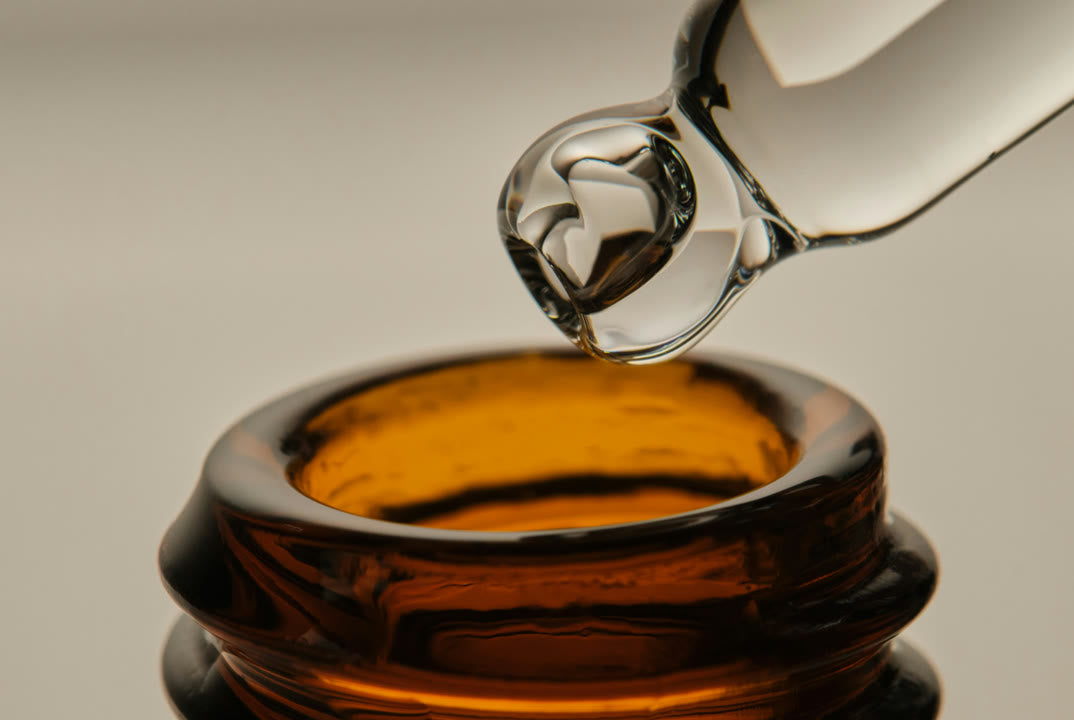


Eucalyptus essential oil has become one of the most widely used botanical oils globally, largely because of its distinctive aroma and versatility in formulation. Distilled from the leaves of eucalyptus trees native to Australia, it is prized for its sharp, fresh scent that creates an immediate perception of cleanliness and clarity when inhaled. This aromatic response and its broad acceptance across cultures are well documented in essential oil literature.¹²
One of eucalyptus oil’s primary strengths lies in its chemical composition, particularly its high concentration of 1,8 cineole, a naturally occurring aromatic compound responsible for its cool, penetrating scent.¹ This compound gives eucalyptus its ability to cut through heavier or overly sweet notes, making it a common top note in blends designed for alertness and mental clarity. The cooling sensation experienced during inhalation contributes to a feeling of openness and airflow, even though the oil functions purely through aroma rather than physical action.¹³
Eucalyptus also acts as a structural ingredient in many essential oil blends. Its aroma pairs consistently well with menthol, camphor, rosemary, citrus, and pine oils, allowing formulators to create balanced compositions that feel clean rather than cluttered.²⁴ Because of this compatibility, eucalyptus is frequently used to stabilise blends intended for focus, routine resets, or moments where a sharp sensory contrast is desired.
Beyond formulation, eucalyptus carries strong historical and cultural relevance. Its use in aromatic applications dates back centuries, particularly in Australia, where eucalyptus species dominate the natural environment.² Over time, this familiarity has contributed to its reputation as a dependable, no fuss ingredient. Unlike trend driven botanicals, eucalyptus remains widely recognised, easy to understand, and consistently associated with freshness and simplicity.³
In essential oil blends, eucalyptus does not rely on novelty. Its value comes from recognisability, versatility, and a scent profile that does exactly what it promises.
---
Footnotes
-
Tisserand, R. and Young, R. Essential Oil Safety: A Guide for Health Care Professionals. Churchill Livingstone, 2014.
-
Southwell, I. and Lowe, R. Eucalyptus Oil: Chemistry, Pharmacology and Therapeutic Applications. CSIRO Publishing, 1999.
-
Lis Balchin, M. Aromatherapy Science: A Guide for Healthcare Professionals. Pharmaceutical Press, 2006.
-
Lawrence, B.M. “Progress in Essential Oils.” Perfumer & Flavorist, multiple issues.


